Chakras Without the Mysticism: Anatomy, Movement, and Yoga
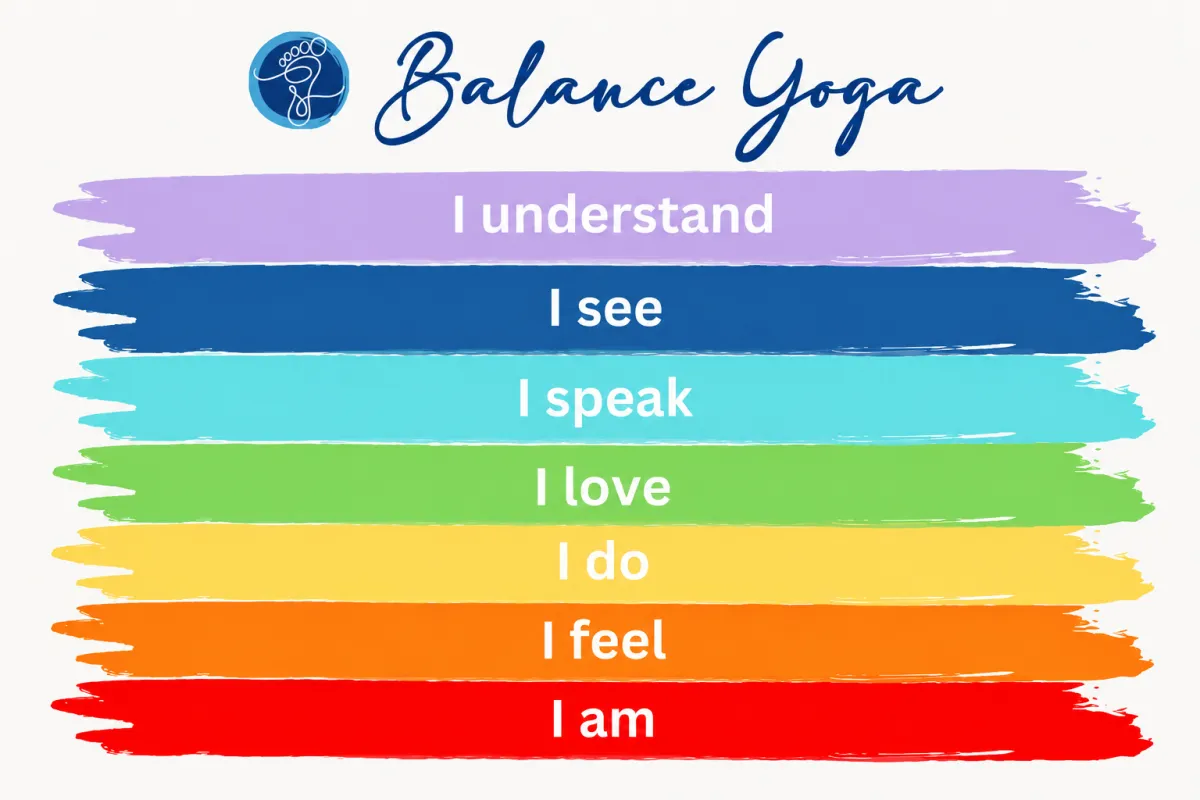
At Balance Yoga, I use the chakras as an organized framework for exploring connections between the body, breath, nervous system, emotions, and self-awareness.
The chakras come from an ancient system that connects specific areas of the body with physical function, attention, emotion, and human experience. Interestingly, several of these traditional locations overlap with important nerve networks, organs, and physiological systems that modern anatomy now recognizes.
Chakra-focused yoga at Balance Yoga is not taught as religion, worship, or an invitation into anything dark or mystical. You do not need to hold any spiritual belief to participate. My teaching remains grounded in the body, the nervous system, and science-backed yoga practices.
For example, the third chakra is associated with the area above the navel and below the ribs. Anatomically, this region contains the celiac plexus, also called the solar plexus, an extensive network of autonomic nerves connected with many of the abdominal organs.
Traditional chakra teachings also associate this area with qualities such as confidence, motivation, inner strength, and the element of fire. Science does not tell us that confidence is physically stored in the abdomen. However, we do know that breathing, posture, muscular tension, nervous system activity, and emotional experience continually influence one another.
Think about the familiar feeling of having “butterflies in your stomach” when you're nervous, excited, or anticipating something important. The emotion isn't literally stored in your stomach, yet you can physically feel your nervous system responding in that area. Your heart may beat faster, your breathing may change, your abdominal muscles may tighten, and your digestive system may respond.
That doesn't scientifically prove the existence of a chakra. But it does give us a very relatable example of something ancient traditions recognized long before we understood the nervous system the way we do today: what we experience emotionally can also be experienced physically in the body.
This is how I approach the chakras in class: through movement, breath, anatomy, and thoughtful self-awareness.


